
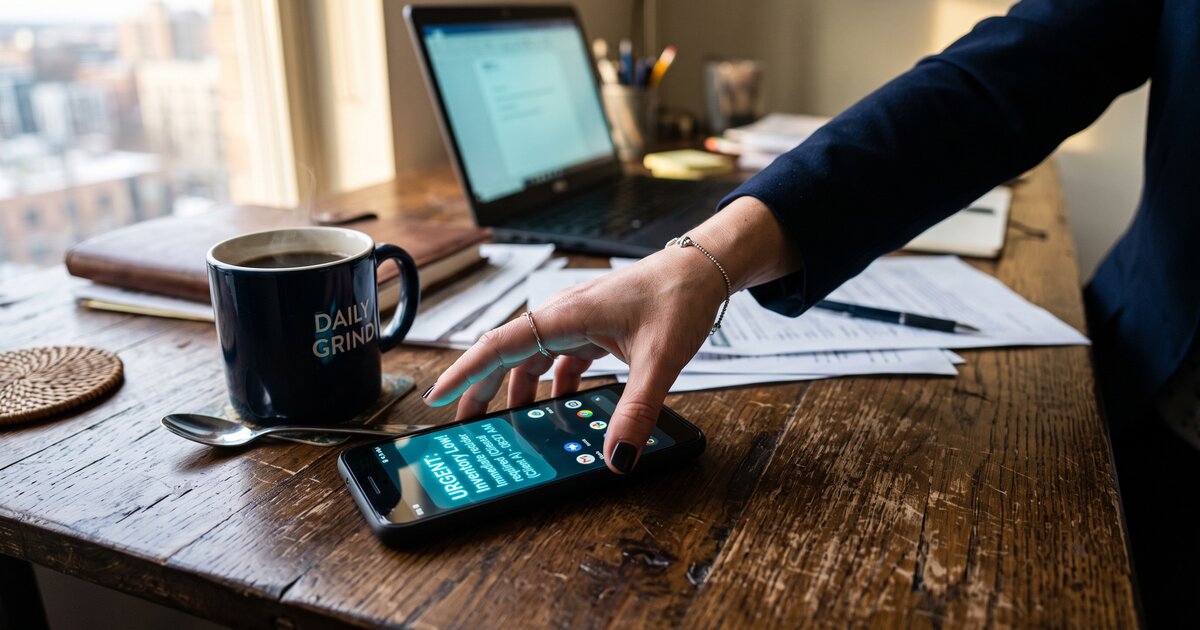
In 2021, I was running an axe-throwing venue in Augusta. A corporate team-building inquiry came in at 2:14 PM on a Tuesday. I saw it. I flagged it. I told myself I’d send the pricing sheet after I finished with the walk-in customers.
I sent it Thursday morning.
By then, they’d already booked with someone else. Fast lead response small business owners rely on isn’t optional anymore. It’s the difference between winning and losing. The gap between “I’ll get to that” and “someone else already did” was forty-two hours. That’s also the average time a small business takes to respond to a new lead, according to Harvard Business Review. I was running right at the industry average. And I was losing deals because of it.
The Math That Should Terrify You
MIT research analyzed over 15,000 leads and found something brutal: respond within five minutes and you’re 100 times more likely to make contact. You’re also 21 times more likely to qualify the lead compared to waiting even thirty minutes.
Not 21 percent. Twenty-one times.
Conversica’s research puts actual conversion numbers on it. If you reply within five minutes, your shot at closing that lead is around 70%. Wait an hour and it drops to 20%. Wait a day and you’re down to 5%. After that, you’re at 2%.
That forty-two-hour average I was running? I was converting at 2%. Not because my service was bad or my price was wrong. Because I was slow.
Why Five Minutes Feels Impossible (And Why It Isn’t)
Here’s what was happening at the axe-throwing venue when that corporate inquiry came in: I had a bachelor party group throwing in Lane 3, a walk-in couple asking about league night, and two hatchets that needed replacing because someone thought trick throws were a good idea. The inquiry notification sat in my email. I’d get to it.
That’s the small-business trap. You’re doing the business, so you can’t run the business. A plumber is under a sink when the next job inquiry comes in. A dentist is mid-procedure when someone calls about a toothache. A restaurant owner is expediting dinner service when a catering request hits the website form.
The work crowds out the follow-up. Every time.
But here’s what changed for me in 2025. I built a system that replied to corporate event inquiries immediately. Not in five minutes. In ninety seconds. The lead got the pricing sheet, a quick note that I’d follow up in two days if I didn’t hear back, and my direct line if they wanted to talk sooner. Then the system actually followed up two days later if they hadn’t replied.
My corporate event conversion rate nearly tripled. It was working.
Not because the pricing changed. Not because I got better at axe-throwing events. Because I started responding before the other guy even saw the inquiry.
What Fast Lead Response Looks Like in Practice
A recent study from Workato tested 114 B2B companies in 2026 by submitting real demo requests. The findings: 99% didn’t respond within five minutes. The average email response time was nearly twelve hours. Nineteen percent never responded at all.
If you’re a small business owner in Augusta competing for the same customer as a national chain, this is the gap. The chain has a call center. You have a phone in your pocket that you check between customers. They reply in five minutes because someone’s entire job is replying. You reply in five hours because you were doing the actual work.
But the customer doesn’t care why you were slow. They care that the other guy was fast.
Here’s what closing that gap actually looks like:
A lead form fills out on your website at 9:42 AM. An automated text goes out by 9:43 AM: “Got your request for [service]. I’m reviewing it now and will send pricing by end of day. Need it sooner? Call me at [number].” That’s not a pitch. It’s proof you’re paying attention.
Then the pricing email goes out at 2:00 PM. Real pricing, not a “let’s schedule a call to discuss your needs” runaround. If they don’t reply in two days, another text: “Wanted to make sure you got the pricing. Any questions?” If they still don’t reply, you let it go. You’re not chasing. You’re following up once, professionally, because that’s what systems do.
That’s it. That’s the five-minute rule in practice. You’re not writing the email in five minutes. You’re acknowledging in five minutes. The system handles the rest.
What Slow Response Costs You (In Actual Dollars)
Let’s make this concrete. Say you’re a local HVAC company in Augusta. Summer hits and your phone rings with fourteen service calls before lunch. Ten of those are existing customers who already have your number saved. Four are new leads who found you on Google.
You get to the new leads by end of day. That feels reasonable. You were busy keeping actual customers cool.
But here’s what happened to those four leads while you were working: Lead #1 called two other companies after you. One of them picked up. Lead #2 filled out three web forms. The company that texted back in six minutes got the job. Lead #3 left a voicemail and is still waiting to hear back from anyone. Lead #4 did the same, but their AC is out and they have a newborn at home, so they called the 24-hour hotline that answered on the second ring.
You lost three out of four. Not because your price was wrong or your service was bad. Because you were busy being good at the work instead of fast at the follow-up.
If the average HVAC service call in Augusta is around $350 and you’re getting four new inquiries a day during peak season, losing three of them daily costs you $1,050 a day. Over a ninety-day summer, that’s $94,500 in revenue that walked to a competitor who was simply faster to reply.
The math is brutal. But it’s also fixable.
The Augusta Angle
Around Augusta, small businesses are competing in two directions at once. Local customers want the personal touch, the owner who knows their name. But they also want the responsiveness of the big players. A missed call at 6 PM because you’re closed and they’re just getting off work? That lead is gone. They’ll call the next plumber, the next HVAC company, the next dentist who picks up.
The U.S. Chamber of Commerce found that 57% of small business owners say reaching customers and growing sales is their biggest challenge. Not operations. Not staffing. Growing sales. And the fastest way to grow sales is to stop losing the ones that are already reaching out to you.
You don’t need a call center. You need a system that acknowledges the lead instantly while you finish the job you’re on. Speed wins because the customer moved on. Not because they didn’t like you. Because someone else was faster.
How to Build a Five-Minute System (Without Hiring Someone)
The fix isn’t hiring a receptionist. Most small businesses can’t afford that, and even if you could, you’d still have after-hours gaps and weekend leads falling through.
The fix is a system that handles the acknowledgment immediately while you handle the actual work.
Here’s the simplest version: when a lead comes in (web form, missed call, text inquiry), an automated reply goes out within sixty seconds. Not a sales pitch. Not a “we’ll get back to you.” A real acknowledgment with the next step clearly stated.
For a service business, that might look like: “Got your request for [service]. Reviewing your details now. I’ll send pricing and availability by [specific time today]. Need it sooner? Call or text me at [your number].”
For a product inquiry: “Thanks for reaching out about [product]. I’m pulling together what you need and will email you by end of day with options and pricing.”
Then the system does what you said it would do. Pricing email goes out at the time you promised. If they don’t reply in two days, one follow-up text. If they still don’t bite, you let it go. No chasing, no begging. Just professional, systematic follow-up that doesn’t require you to remember or set a reminder or check your notes.
I built the first version of this for the axe-throwing business using basic automation tools. It wasn’t fancy. It was a form submission trigger, a templated text, a delay timer, and a follow-up sequence. Took me an afternoon to set up. Tripled my corporate event conversion rate within two months.
The work you’re already doing (the plumbing job, the dental procedure, the kitchen rush) doesn’t change. But the leads stop falling through the cracks because the system caught them.
The Part Where I Admit I Was Wrong
I used to think a thoughtful, customized reply was better than a fast, templated one. I’d tell myself that the two-day delay didn’t matter because when I did reply, it was personal and detailed and showed I cared.
Then I looked at my conversion rate.
The corporate events that converted were the ones where I replied that day. The ones that ghosted were the ones where I got back to them Thursday. It didn’t matter how good my Thursday email was. They’d already booked someone else on Tuesday night.
I was optimizing the wrong thing. I was polishing the reply while the opportunity walked out the door.
Fast beats polished. Every time.
Running a small business in Augusta and tired of losing leads to faster competitors? Let’s talk about how a fast lead response system works in your business. Thirty minutes, no pitch deck.